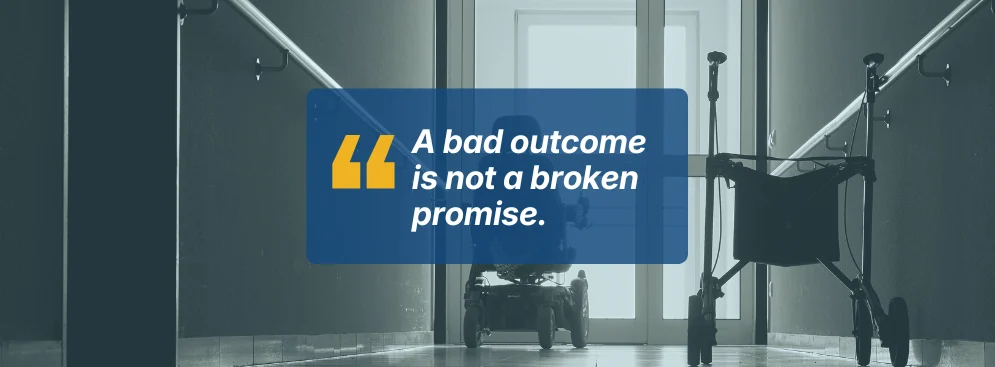
Fall cases in long-term care reveal the tension that many providers face when caring for a resident: the balance between safety and autonomy.
Plaintiffs frame fall events as preventable, arguing that if the facility had done more, the fall would not have occurred.
But in senior care, providers are managing challenges within the boundaries of what they can legally do. Residents of a long-term care facility have rights, including the right to refuse assistance or decline devices like walkers or alarms that may prevent a fall. Facilities are not permitted to use restraints or interfere with autonomy without medical justification. And although resident choices can complicate prevention, they must be respected.
Explaining why devices like walkers or alarms were not used is a critical part of showing the balance between autonomy and safety. For example, if staff chose to discontinue alarms because they caused agitation, staff testimony stating, “We removed the alarm because it was making him more anxious” shows rational care, not omission.
Documentation also reinforces this point. Charts noting that a resident declined a walker or that the family opted not to use alarms explain the caregivers’ limitations and adherence to the wishes of the resident and their family.
By using staff testimony and documentation, the defense can tell a story not of failure, but of professional, thoughtful care delivered in a complex clinical environment.
Looking for more ways to strengthen your defense? Subscribe to the Second Chair Briefing and receive a monthly newsletter with valuable insights, upcoming events, and more.