When defense teams map out a long-term care trial, the witness list usually starts at the top: the administrator, the director of nursing, the medical director, the retained expert. The certified nursing assistant who was on the floor that night often gets a short prep session and a reminder to “just tell the truth.”
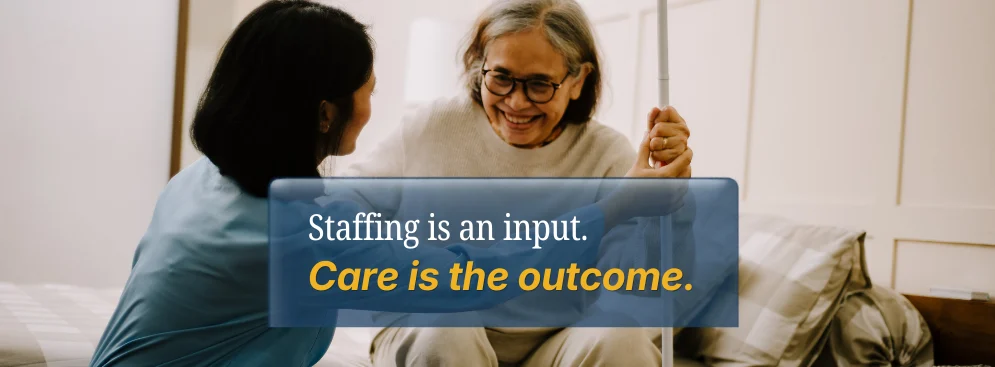
That’s a missed opportunity. Jurors don’t relate to org charts. They relate to people. And the person they can picture most clearly — the one who answered the call light, turned the resident every two hours, and sat with the family afterward — is usually the CNA.
When that witness is prepared, confident, and believable, the plaintiff’s story of an “understaffed, uncaring facility” becomes much harder to tell.
Four Ways to Prepare Frontline Caregivers to Testify
1. Start with the routine, not the incident. Most CNAs have worked hundreds of shifts that looked just like the one at issue. Before discussing the night in question, have them walk through a normal shift: rounds, repositioning, meal assistance, how they report a change in condition. Jurors who understand the routine see the incident in context. And a witness who begins on familiar ground stays calmer when the hard questions come.
2. Let them explain the chart in their own words. Plaintiff’s counsel will hold up a flowsheet and point to a blank box. A prepared CNA can explain how charting works on a busy floor and what actually happened: “I checked on her at midnight and again at two. She was asleep on her left side. I wrote it down.” Documentation stops being paperwork and becomes a story told by the person who wrote it.
3. Prepare them for the guilt question. Caregivers often grieve the residents they lose. Opposing counsel may lean on that: “Don’t you wish you’d done more?” Help the witness separate sorrow from fault. It is honest to say, “I miss her. I wish it had ended differently. I followed her care plan.” Sadness is human. It isn’t an admission.
4. Let them describe the resident’s choices. When a resident refused her walker or asked for the bed alarm to be turned off, the CNA was usually the one who heard it. Let them describe it plainly: what she said, how they encouraged her, and who they told. Jurors understand a grandmother who wanted to walk on her own. Honoring that choice is resident rights in action, not neglect.
One caution: witness preparation should always stay within the ethical rules of your jurisdiction. The goal is clarity and confidence — never a script.
The Defense Has a Face
The plaintiff’s case is often built on abstractions: the corporation, the staffing ratio, the profit motive. The strongest answer to an abstraction is a person — someone who showed up, did the work, and can explain it in plain language.
Facilities don’t provide care. People do.
Are you looking for more insights that might help you win your next case? Subscribe to the Second Chair Briefing and receive a monthly newsletter with healthcare defense strategies, upcoming events, and more.